Coffee Shop Business in Seattle: Build More Than a Café
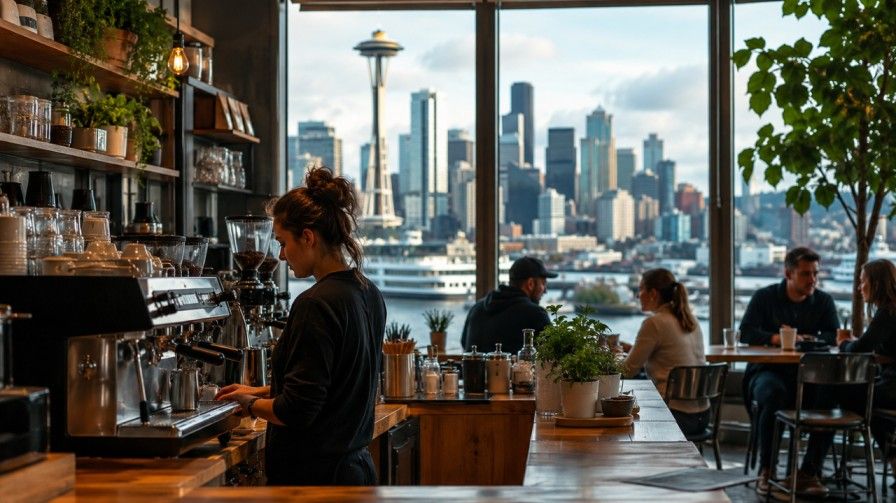
Seattle is not just a city that drinks coffee. It is a city that lives through coffee. From students finishing assignments to remote workers attending endless video calls, cafés in Seattle are part of daily life. People here do not simply order coffee and leave. They sit, work, meet friends, read books, and sometimes quietly judge latte art from across the room.
That is why starting a Coffee Shop Business in Seattle is about more than selling drinks. You are creating an experience, a gathering space, and for many customers, a daily routine they cannot imagine living without.
The idea sounds exciting, but opening a café in Seattle also comes with challenges. Competition is high, customer expectations are even higher, and rent prices can make your wallet cry a little. Still, with the right planning and creativity, a coffee shop can become a profitable and rewarding business.
This guide explains how to start your café, attract loyal customers, manage costs, and build a coffee shop people genuinely love visiting.
Why Seattle Is Ideal for Coffee Shops
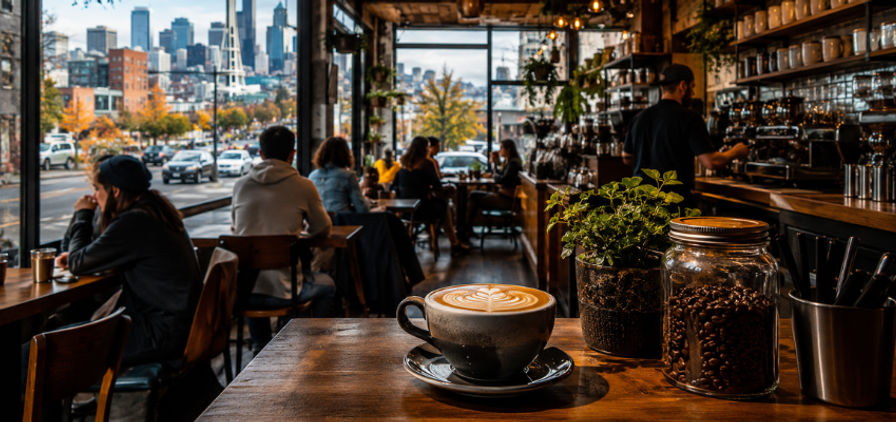
Seattle has one of the strongest coffee cultures in the world. Coffee is deeply connected to the city’s identity, and customers here appreciate both quality and atmosphere.
Here are some reasons why entrepreneurs choose Seattle for café businesses:
- ●A large population of coffee lovers
- ●Strong support for local businesses
- ●Growing remote work culture
- ●High tourist traffic
- ●Demand for specialty coffee
- ●Trendy neighbourhoods with an active café culture
People in Seattle are also open to trying new café experiences. Customers enjoy:
- ●Specialty brews
- ●Organic coffee
- ●Plant-based menu options
- ●Artistic interiors
- ●Community-focused cafés
This creates opportunities for new business owners who can offer something unique.
Understanding Seattle Coffee Culture
Before opening a Coffee Shop Business in Seattle, it is important to understand how customers think.
Seattle customers usually care about:
- ●Coffee quality
- ●Ethical sourcing
- ●Comfortable interiors
- ●Sustainability
- ●Friendly service
- ●Fast WiFi
- ●The local community feel
A café with average coffee but an amazing atmosphere can still attract customers. But if both coffee and atmosphere are poor, customers will disappear faster than free pastries during a morning rush.
People often choose cafés based on emotion and comfort, not just pricing.
Choose the Right Coffee Shop Concept
Your business concept is the foundation of your café. It affects your menu, branding, design, and customer base.
Popular Coffee Shop Concepts
Speciality Coffee Café
Focus on premium beans, advanced brewing methods, and handcrafted drinks.
Work-Friendly Café
Target freelancers and remote workers by offering:
- ●Charging points
- ●Quiet seating
- ●High-speed internet
- ●Large tables
Neighbourhood Coffee Shop
Build strong relationships with local residents and families.
Coffee and Bakery Café
Combine drinks with baked goods like:
- ●Muffins
- ●Croissants
- ●Cookies
- ●Cakes
Eco-Friendly Café
Use sustainable cups, organic ingredients, and recyclable packaging.
Artistic or Themed Café
Create a memorable interior with:
- ●Local artwork
- ●Bookshelves
- ●Vintage themes
- ●Music events
The stronger your concept, the easier it becomes to stand out in Seattle’s crowded coffee market.
Research the Local Market
Market research helps you understand your future customers and competitors.
Spend time visiting popular cafés in Seattle. Observe:
- ●Menu pricing
- ●Customer behavior
- ●Peak business hours
- ●Seating style
- ●Service speed
- ●Popular drinks
Pay attention to what customers enjoy and what they complain about.
Best Areas for a Coffee Shop in Seattle
- ●Capitol Hill: Popular with young professionals and artists
- ●Ballard: Attracts families and tourists
- ●Fremont: Known for creative communities
- ●Downtown Seattle: Busy with office workers
- ●University District: Popular among students
Choosing the right location is one of the biggest decisions for your business.
A beautiful café hidden in a poor location may struggle. Meanwhile, a simple café in a busy area can perform surprisingly well.
Create a Strong Business Plan
A business plan gives direction to your café and helps manage finances.
Your business plan should include:
- ●Business concept
- ●Customer target group
- ●Budget planning
- ●Revenue goals
- ●Marketing strategy
- ●Staff planning
- ●Menu pricing
- ●Monthly operating costs
If you plan to seek investors or loans, a detailed business plan becomes even more important.
Estimate Startup Costs
Opening a Coffee Shop Business in Seattle can require significant investment.
Common Startup Expenses
- ●Rent Deposit: Around $8,000 to $25,000
- ●Espresso Machines: Around $10,000 to $25,000
- ●Furniture and Décor: Around $10,000 to $40,000
- ●Licenses and Permits: Around $2,000 to $5,000
- ●Initial Inventory: Around $3,000 to $10,000
- ●Marketing: Around $2,000 to $8,000
- ●Staff Training: Around $1,000 to $5,000
The total investment may range between $50,000 and $200,000, depending on:
- ●Location
- ●Café size
- ●Interior design
- ●Equipment quality
Many first-time café owners underestimate costs. Then suddenly they are calculating whether they can survive using only leftover croissants for lunch.
Always keep emergency funds for unexpected expenses.
Understand Licenses and Permits
You cannot legally operate without the required permits.
Common requirements include:
- ●Business license
- ●Food service permit
- ●Health inspection approval
- ●Seller’s permit
- ●Fire department approval
- ●Employee permits
Rules may vary depending on your location and business type.
It is wise to consult:
- ●Local authorities
- ●Business consultants
- ●Legal professionals
Handling permits correctly prevents costly problems later.
Design a Comfortable Café Space
Interior design matters more than many café owners realise.
Customers love spaces that feel:
- ●Cozy
- ●Clean
- ●Relaxing
- ●Welcoming
A good café design encourages customers to stay longer and return more often.
Important Design Elements
Comfortable Seating
Different customers prefer different seating styles:
- ●Sofas
- ●Small tables
- ●Group seating
- ●Bar seating
Natural Lighting
Bright spaces feel more inviting and improve customer mood.
Music and Ambience
Soft background music creates a relaxing atmosphere.
Charging Stations
Remote workers appreciate accessible charging points.
Free WiFi
In Seattle, weak WiFi may upset customers almost as much as bad coffee.
Local Personality
Adding local artwork or community boards helps create a neighbourhood feel.
Build a Profitable Menu
Your menu should balance:
- ●Customer preferences
- ●Ingredient costs
- ●Profit margins
Popular Coffee Drinks
- ●Espresso: Strong flavour loved by coffee enthusiasts
- ●Cappuccino: A classic and balanced option
- ●Latte: Smooth and highly popular
- ●Cold Brew: Refreshing and trendy
- ●Mocha: Sweet blend of coffee and chocolate
- ●Matcha Latte: Popular non-coffee alternative
Food Items to Include
- ●Sandwiches
- ●Pastries
- ●Muffins
- ●Cookies
- ●Breakfast bowls
- ●Vegan snacks
Customers today also look for:
- ●Dairy-free milk
- ●Gluten-free options
- ●Plant-based foods
- ●Seasonal menus
A changing seasonal menu keeps customers interested and encourages repeat visits.
Focus on Coffee Quality
Seattle customers know coffee well.
If your coffee quality is poor, customers will notice immediately.
That does not mean you need the most expensive beans in the world. It means you need:
- ●Consistent brewing
- ●Fresh ingredients
- ●Skilled baristas
- ●Proper training
Invest in good equipment and quality suppliers.
Consistency matters more than fancy marketing.
Customers forgive many things. Burnt coffee is rarely one of them.
Hire and Train the Right Staff
Employees strongly influence customer experience.
Friendly staff can turn first-time visitors into regular customers.
Important Staff Skills
Train employees to:
- ●Greet customers warmly
- ●Prepare drinks consistently
- ●Handle complaints politely
- ●Maintain cleanliness
- ●Recommend menu items
Good baristas are valuable because they represent your brand daily.
High staff turnover is common in cafés, so creating a positive work culture is important.
Employees who feel respected often provide better customer service.
Build a Strong Brand Identity
Branding is more than your logo.
Your brand includes:
- ●Café atmosphere
- ●Menu style
- ●Packaging
- ●Social media presence
- ●Customer interactions
Ask yourself: “What feeling should customers have when they enter my café?”
Your answer shapes your branding decisions.
Elements of Strong Branding
- ●Memorable café name
- ●Attractive logo
- ●Consistent colors
- ●Unique menu presentation
- ●Social media personality
In today’s market, many customers discover cafés online before visiting in person.
Use Social Media Marketing
Social media is extremely important for a Coffee Shop Business in Seattle.
Customers often search online before trying a café.
Content Ideas for Social Media
- ●Latte art videos
- ●Behind-the-scenes clips
- ●New menu launches
- ●Customer photos
- ●Staff introductions
- ●Seasonal decorations
Instagram and TikTok work especially well for cafés because coffee shops are highly visual businesses.
A good-looking drink can attract hundreds of customers online.
Sometimes, one viral video of a beautiful latte is more powerful than traditional advertising.
Improve Local SEO
Local SEO helps customers find your café online.
Optimise your business for searches like:
- ●Best coffee shop in Seattle
- ●Coffee near me
- ●Seattle café
- ●Speciality coffee Seattle
Simple SEO Tips
- ●Create a Google Business Profile
- ●Add clear business photos
- ●Encourage customer reviews
- ●Use local keywords on your website
- ●Keep business information updated
Positive reviews can significantly increase customer trust.
Offer More Than Coffee
Modern cafés succeed by creating experiences.
Ideas to Build Community
- ●Open mic nights
- ●Live music
- ●Coffee workshops
- ●Local art exhibitions
- ●Book clubs
- ●Community events
Customers remember places where they feel connected.
A café that becomes part of local culture usually builds long-term loyalty.
Common Challenges in Coffee Shops
Running a café is rewarding but demanding.
Major Challenges and Solutions
- ●High competition: Offer unique experiences and branding
- ●Rising ingredient costs: Control inventory carefully
- ●Staffing issues: Build a positive work culture
- ●Seasonal slow periods: Run promotions and events
- ●High rent: Choose a location wisely
Success in the café business often comes from consistency rather than instant popularity.
Many cafés become profitable slowly over time as loyal customers grow.
Future Trends in Seattle Cafés

The coffee industry continues evolving.
Growing Trends
- ●Sustainable packaging
- ●Mobile ordering
- ●Subscription coffee services
- ●Plant-based menus
- ●Smart café technology
- ●Experience-focused cafés
Customers today want convenience along with quality.
Businesses that adapt to trends often stay competitive longer.
Tips for Long-Term Success
Here are practical tips for building a successful Coffee Shop Business in Seattle:
Prioritise Customer Experience: Friendly service matters as much as coffee quality.
Stay Consistent: Customers return when they know what to expect.
Control Costs Carefully: Track expenses and avoid unnecessary spending.
Listen to Feedback: Customer suggestions can improve your business.
Build Community Relationships: Support local artists and neighbourhood events.
Keep Learning: Coffee trends change regularly.
The café industry rewards creativity, patience, and consistency.
Final Thoughts
Starting a Coffee Shop Business in Seattle can be both exciting and challenging. The city already has a strong café culture, which means customers have high expectations. But it also means there is strong demand for creative, welcoming coffee spaces.
Success comes from more than serving great coffee. Customers want:
- ●Comfort
- ●Connection
- ●Atmosphere
- ●Consistency
- ●Friendly experiences
If your café can provide those things, customers will return again and again.
At the end of the day, people may come for coffee, but they stay for the feeling your café creates.
And if your chairs are comfortable enough, some customers may stay long enough to practically pay rent emotionally.
Ready to Start Your Coffee Shop Business?
Starting a coffee shop business is absolutely possible. Many café owners begin with a simple idea, a strong love for coffee, and a space that brings people together. The cafés that succeed are not always the biggest or the fanciest. They simply prepare properly before opening their doors.
BossWorks helps aspiring coffee shop owners plan and launch with clarity, without the confusion that wastes time and money.
✓ Estimate your exact startup costs based on café size, equipment, menu, and location ✓ Understand permits, licenses, and local café requirements before you launch ✓ Create realistic revenue projections with clear break-even goals and monthly cash flow ✓ Identify hidden expenses early, from staffing costs to inventory management ✓ Build a café business strategy designed for long-term customer loyalty and steady income
Frequently Asked Questions
Startup costs typically range from $50,000 to $200,000, depending on size, location, equipment, and interior design.
Yes, cafés can be profitable because Seattle has a strong coffee culture and consistent customer demand.
Popular areas include Capitol Hill, Ballard, Fremont, Downtown Seattle, and the University District.
You may need business licenses, food permits, health approvals, and fire safety inspections.
Use social media marketing, strong branding, loyalty programs, local SEO, and community events to build customer loyalty.